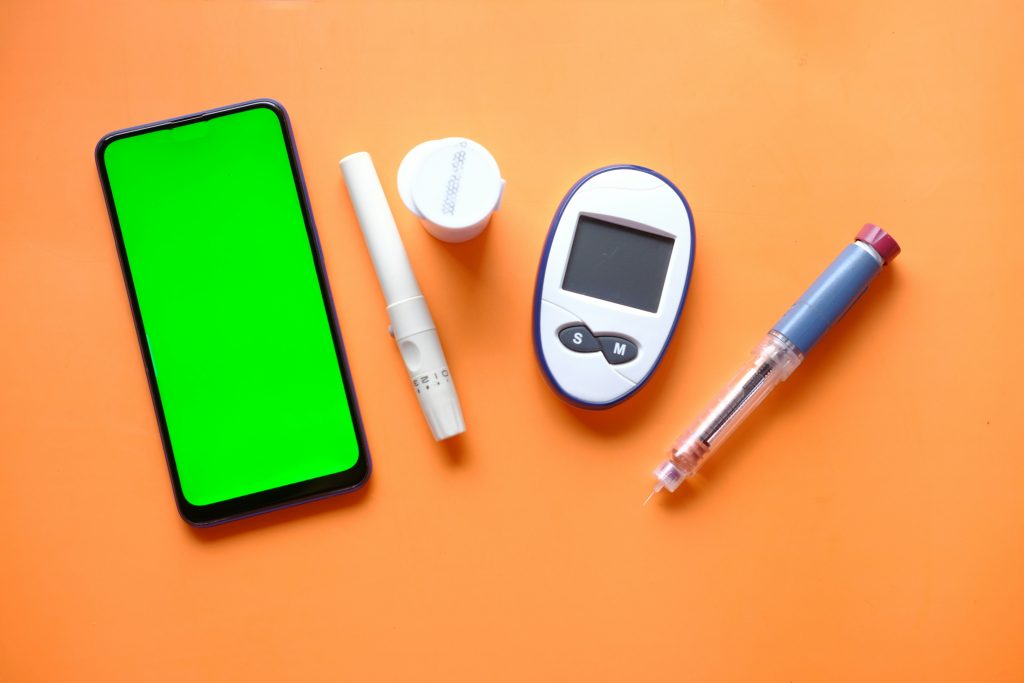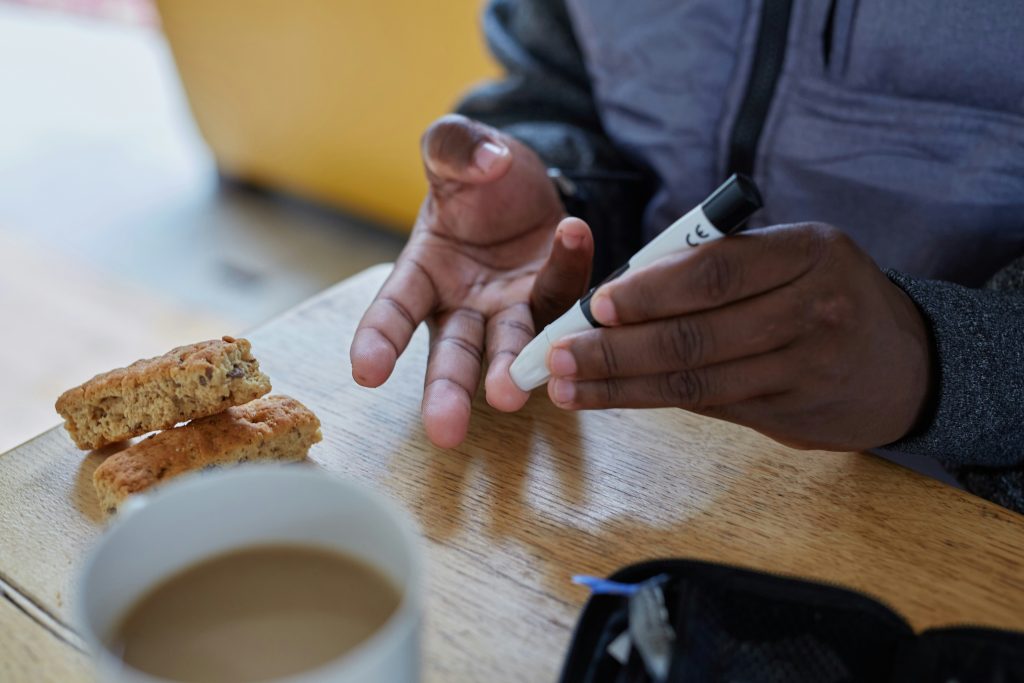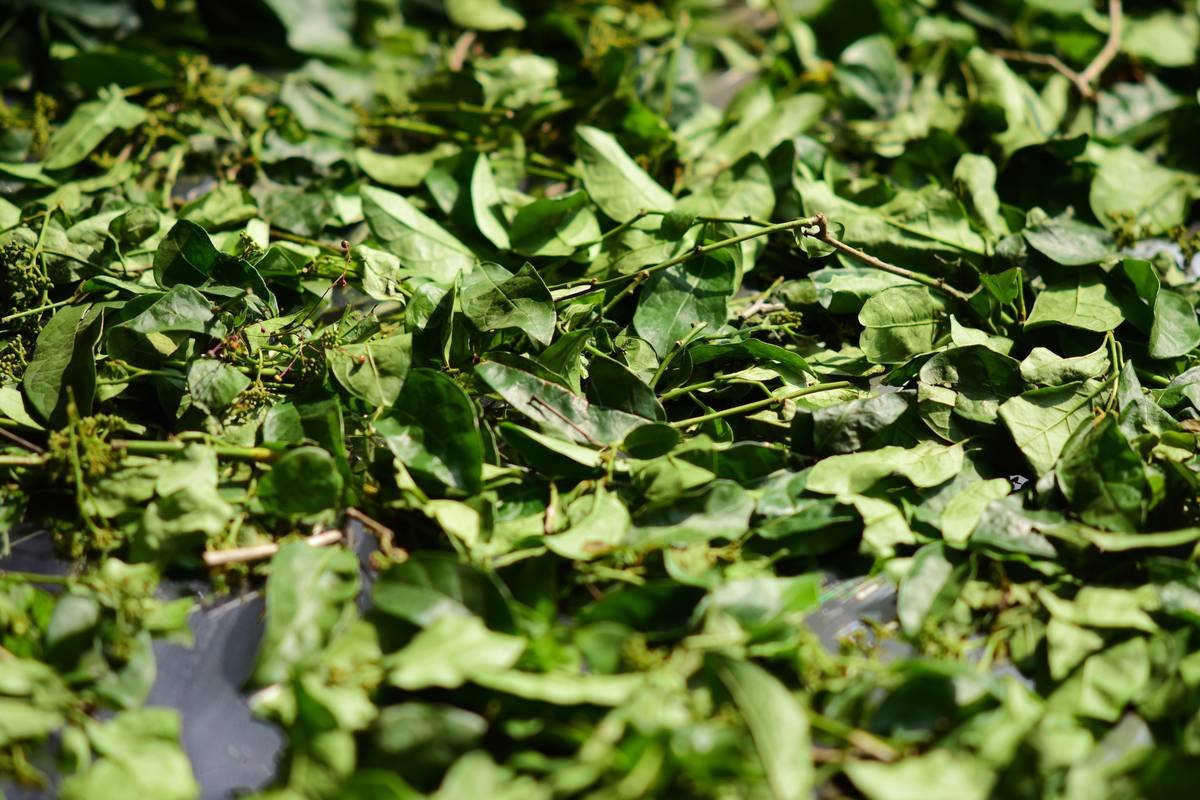
You’re not lazy. You’re not weak-willed. But every time you try to cut sugar, your body rebels like it’s under siege. Blood sugar spikes crash your energy. Cravings hijack your focus. And “just eat less” advice? Useless. Here’s the truth: real glucose control starts in the gut—not the willpower center. Enter Gymnema sylvestre, an ancient herb with modern metabolic muscle.
Why Standard Glucose Management Falls Short
Most approaches treat symptoms, not root causes. Metformin lowers numbers—but doesn’t fix insulin sensitivity long-term. Low-carb diets work temporarily—until stress or hormones trigger rebound binging. And those “blood sugar support” supplements? Often just cinnamon and berberine repackaged. They miss a key player: taste receptor modulation.
Gymnema uniquely dulls sweet taste perception—literally making sugar less appealing. Without that neurological override, behavioral change is uphill. Big Pharma ignores this because you can’t patent a leaf. But traditional Ayurvedic practitioners have leveraged it for centuries.
Glucose Health Benefits: A Step-by-Step Protocol Using Gymnema Sylvestre
Forget “take a capsule and hope.” Precision matters. Dosing, timing, and synergy determine whether Gymnema supports steady glucose—or gathers dust in your cabinet.
Selecting the Right Extract
Standardized extracts must contain 25% gymnemic acids—the active compounds responsible for blocking sugar absorption and resetting taste buds. Cheap powders? Inconsistent. Look for third-party tested, solvent-free CO2 extracts.
Optimal Timing Strategy
Take 200–400 mg 15 minutes before meals. Why? Gymnema coats intestinal receptors, reducing post-meal glucose spikes by up to 20% in clinical trials. Miss this window—and you lose half the benefit.
Synergistic Pairings That Amplify Results
Pair with soluble fiber (like glucomannan) to slow gastric emptying. Add magnesium glycinate at night—deficiency directly impairs insulin signaling. Avoid pairing with high-dose zinc; it competes for absorption.
| Protocol Element | Effective Approach | Ineffective Approach |
|---|---|---|
| Dosage Form | Enteric-coated capsule (25% gymnemic acids) | Loose leaf tea or unstandardized powder |
| Timing | 15 min before carb-containing meals | Random dosing throughout the day |
| Duration | 8–12 weeks minimum for receptor reset | Stopping after 2 weeks due to “no immediate effect” |
| Supportive Habits | Post-meal walking + consistent sleep | Sedentary lifestyle despite supplementation |
The Industry Secret: Gymnema’s Dual Action on Gut and Brain
Here’s what supplement labels won’t tell you: Gymnema doesn’t just block sugar uptake—it may regenerate pancreatic beta cells. Rodent studies show increased insulin production after 6 weeks of consistent use. Human data is emerging, but the mechanism is plausible.
And there’s more. Gymnema suppresses dopamine surges triggered by sweet tastes. Less neural reward = fewer cravings over time. This isn’t suppression—it’s recalibration. Most users report spontaneous disinterest in desserts by week 4. No willpower required. Just biology.
But caution: never combine with insulin or sulfonylureas without medical supervision. The drop in glucose can be too sharp. This herb works—powerfully.
Frequently Asked Questions
Can Gymnema sylvestre replace diabetes medication?
No. It’s a complementary tool—not a substitute. Always consult your doctor before adjusting prescribed meds. Used alongside lifestyle changes, it enhances outcomes.
How fast do glucose health benefits appear?
Craving reduction often starts in 7–10 days. Fasting glucose improvements typically show by week 4. Full receptor adaptation takes 8–12 weeks.
Are there side effects from long-term use?
Clinical trials report minimal issues at standard doses. Rare nausea if taken on empty stomach. No liver toxicity observed—unlike some pharmaceutical alternatives.