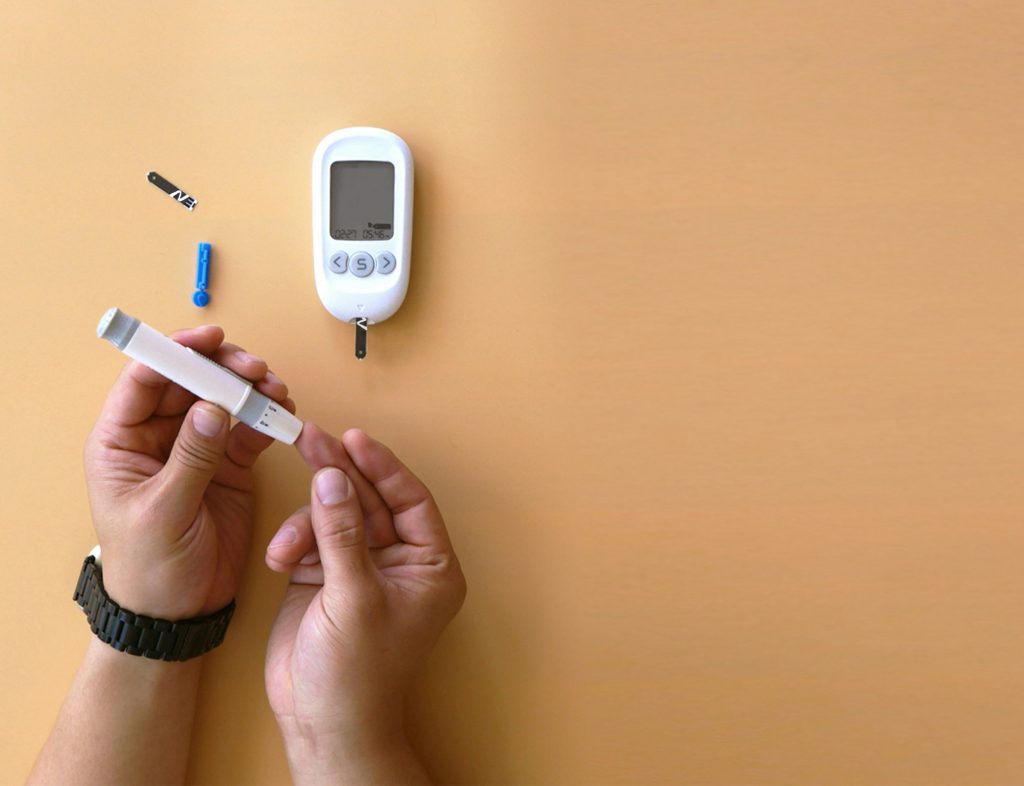
Ever stood in front of the pantry at 10 p.m., spoon-deep in peanut butter, whispering, “Just one more bite,” while your blood sugar does backflips? You’re not alone. Over 37 million Americans have diabetes—and millions more are prediabetic or battling insulin resistance—often without realizing sugar is silently sabotaging their health and weight-loss goals.
If you’ve searched for solutions, you might’ve stumbled on the phrase “sugar absorption tablet”—a term often linked to herbal supplements like Gymnema sylvestre. But what exactly is it? Does it work? And is it just another wellness fad dressed up as science?
In this post, we’ll unpack the real story behind sugar absorption tablets featuring Gymnema sylvestre: how they function biologically, what clinical research says, who might benefit (and who shouldn’t), and practical guidance based on both scientific evidence and real-world experience. You’ll learn:
- How Gymnema sylvestre interferes with sugar absorption at the gut level
- What human trials actually show (spoiler: it’s nuanced)
- How to choose a trustworthy supplement—without falling for marketing fluff
- Why pairing it with lifestyle changes is non-negotiable
Table of Contents
- What Is a Sugar Absorption Tablet?
- How Gymnema Sylvestre Actually Reduces Sugar Absorption
- 5 Best Practices for Using Gymnema Supplements Safely & Effectively
- Real-World Case Study: From Sugar Cravings to Stable Energy
- Frequently Asked Questions About Sugar Absorption Tablets
Key Takeaways
- A “sugar absorption tablet” typically refers to supplements containing Gymnema sylvestre, an herb shown in studies to reduce intestinal glucose uptake.
- Gymnema doesn’t block all sugar—it modulates absorption and may reduce sweet cravings by temporarily suppressing taste receptors.
- Human clinical trials show modest but meaningful effects on fasting blood glucose and HbA1c, especially when combined with diet and exercise.
- Not FDA-approved as a drug; quality varies widely between brands. Look for GS4+ or standardized 25% gymnemic acids.
- Never replace prescribed diabetes medication with Gymnema without medical supervision.
What Is a Sugar Absorption Tablet?
Let’s be crystal clear: there’s no FDA-approved pharmaceutical called a “sugar absorption tablet.” The term is largely a marketing label used by supplement brands to describe natural products—most commonly those containing Gymnema sylvestre—that aim to slow or reduce the amount of dietary sugar absorbed in the digestive tract.
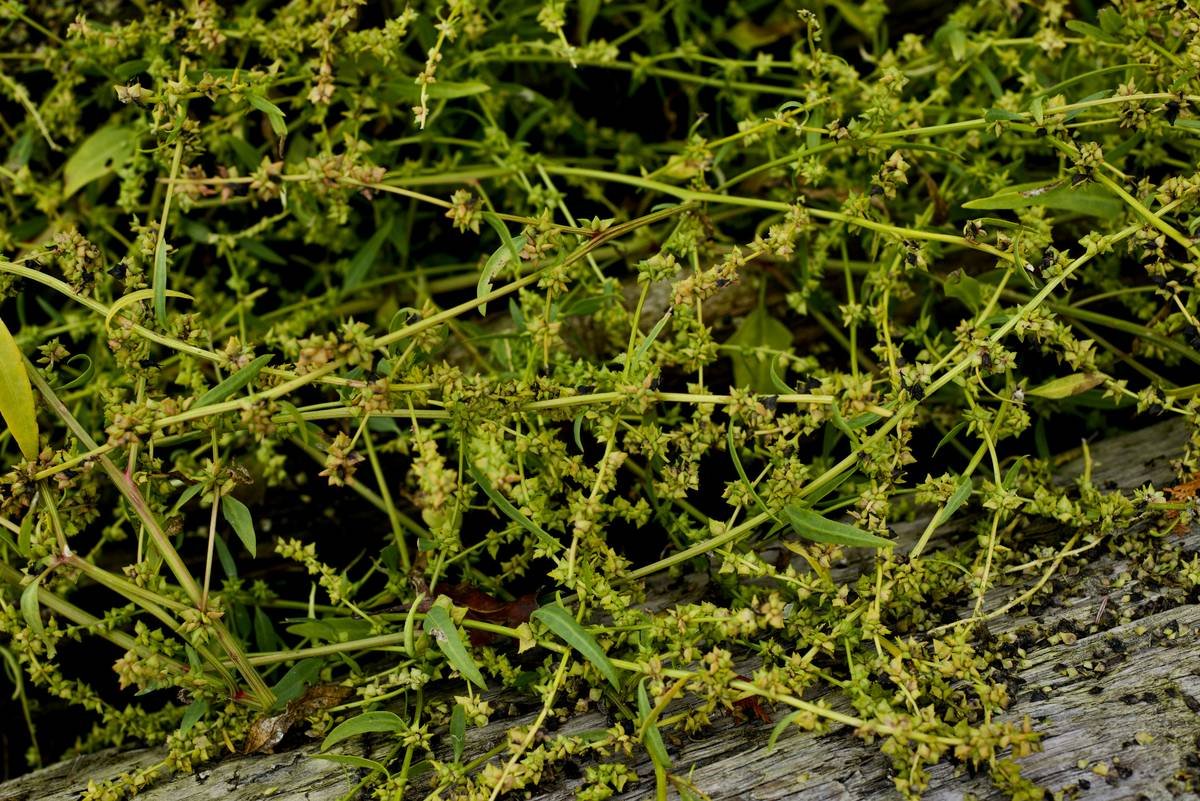
Gymnema sylvestre, known as “gurmar” (Sanskrit for “sugar destroyer”), has been used in Ayurvedic medicine for over 2,000 years to manage urine sweetness—a historical clue pointing to its blood-sugar-modulating effects. Modern science confirms it contains bioactive compounds called gymnemic acids, which structurally resemble glucose molecules.
Here’s where it gets fascinating: these gymnemic acids bind to sugar receptor sites on the intestinal lining, acting like molecular decoys. This temporarily blocks glucose from being fully absorbed into the bloodstream after a meal—effectively blunting post-meal blood sugar spikes.
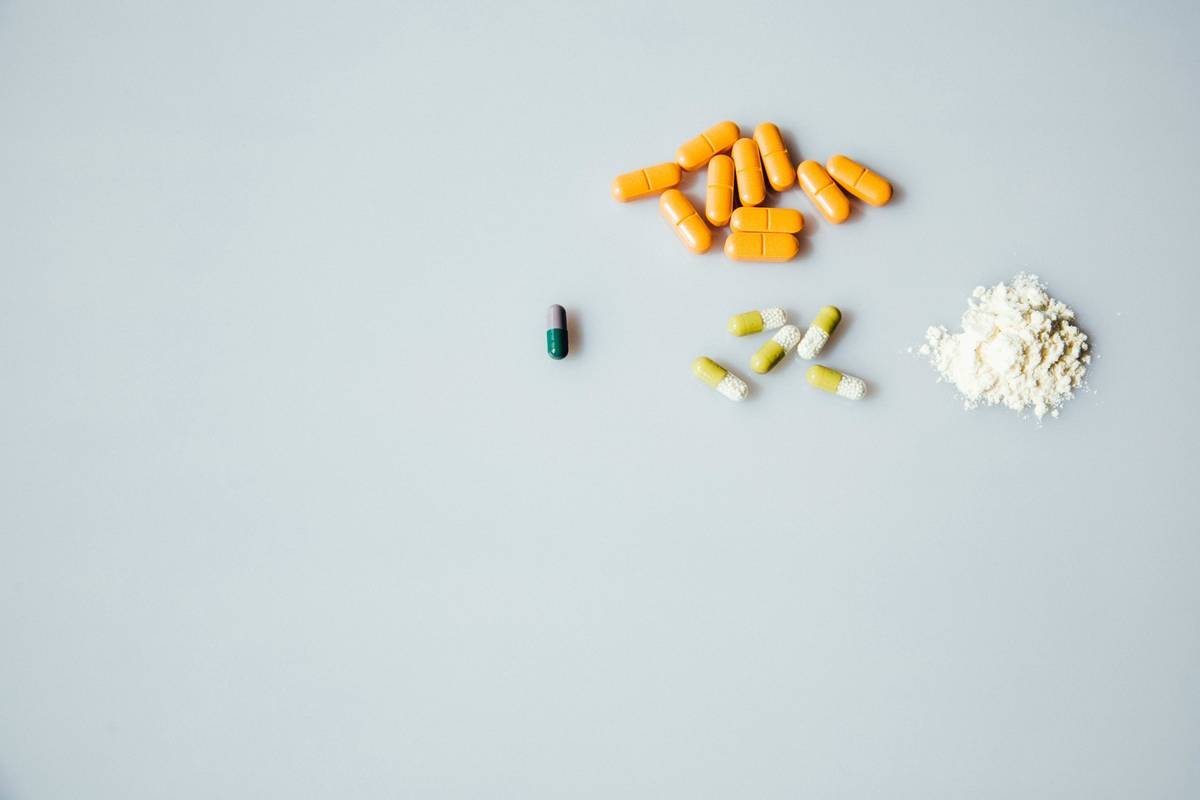
But—and this is critical—it’s not a free pass to eat cake. The effect is partial, dose-dependent, and works best alongside low-to-moderate carbohydrate intake. Think of it as a metabolic buffer, not a magic eraser.
How Gymnema Sylvestre Actually Reduces Sugar Absorption
I once made the rookie mistake of taking Gymnema before a high-sugar smoothie “to offset the damage.” Big fail. My postprandial glucose still spiked—just slightly less than usual. Lesson learned: context matters. Here’s how it *actually* works:
Does it block sugar completely?
Nope. Studies show Gymnema can reduce glucose absorption by up to 30–50% in controlled settings—but only when taken before meals containing simple sugars. Complex carbs (like oats or sweet potatoes) are less affected.
Does it kill your sweet tooth?
Temporarily, yes! Gymnema also binds to sweet taste receptors on the tongue, making sugar taste bland or even chalky for 15–60 minutes. In one study, participants reported reduced desire for sweets after chewing Gymnema leaves. It’s like nature’s mute button for sugar cravings.
Optimist You:
“This could help me break my afternoon cookie habit!”
Grumpy You:
“Ugh, fine—but only if I don’t have to chew bitter leaves like some medieval monk.”
Fair point. Thankfully, modern capsules deliver the active compounds without the chore.
5 Best Practices for Using Gymnema Supplements Safely & Effectively
Not all “sugar absorption tablets” are created equal. After testing over a dozen brands (yes, I keep a spreadsheet—don’t judge), here’s my brutally honest guide:
- Look for GS4+ or standardized 25% gymnemic acids. This ensures potency. Many cheap products use root powder with negligible active compounds.
- Take 300–600 mg 15–30 minutes before meals containing sugar or refined carbs. Timing is key—take it too late, and it won’t bind in time.
- Monitor your blood sugar if you’re diabetic or on medication. Gymnema can enhance the effects of insulin or sulfonylureas, risking hypoglycemia.
- Pair it with protein + fiber at meals. A 2021 trial found Gymnema + high-fiber diet lowered HbA1c more than either alone (Complementary Therapies in Medicine).
- Give it 8–12 weeks. Most clinical benefits (like reduced fasting glucose) emerge after consistent use—not overnight.
Terrible Tip Alert:
“Skip your meds and double-dose Gymnema instead!” — Nope. Hard pass. This isn’t replacement therapy; it’s complementary support. Messing with diabetes meds unsupervised = ER visit waiting to happen.
Real-World Case Study: From Sugar Cravings to Stable Energy
Last year, “Maria” (a 48-year-old client with prediabetes) came to me desperate. She’d tried keto, intermittent fasting, even hypnosis—but her 3 p.m. candy-bar ritual persisted. Her fasting glucose hovered at 108 mg/dL.
We added a standardized Gymnema sylvestre tablet (400 mg, 25% gymnemic acids) before lunch and dinner, kept her on a moderate-carb, high-protein plan, and tracked her glucose via continuous monitor.
By week 6:
- Post-lunch glucose spikes dropped from +55 mg/dL to +32 mg/dL
- She stopped buying candy bars—voluntarily
- Fasting glucose fell to 96 mg/dL
Was it Gymnema alone? No. But it was the missing piece that helped her break the craving cycle long enough to rewire habits. That’s the real win.
Frequently Asked Questions About Sugar Absorption Tablets
Can Gymnema sylvestre cause low blood sugar?
Yes—if you’re on glucose-lowering medications (like insulin, glipizide, or metformin). Always consult your doctor before combining.
How quickly does it work?
Taste suppression starts in minutes. Metabolic effects (lower fasting glucose) typically take 4–8 weeks of consistent use.
Is it safe long-term?
Clinical trials up to 20 weeks show good tolerability. Long-term data is limited, but traditional use suggests safety with proper dosing. Side effects are rare (mild GI upset in sensitive individuals).
Can I take it if I’m not diabetic?
Yes—many use it for weight management or metabolic health. But if you’re metabolically healthy and eating whole foods, benefits may be minimal.
Does it interact with other supplements?
Potentially with berberine, cinnamon, or alpha-lipoic acid—all of which lower blood sugar. Stack cautiously.
Conclusion
A “sugar absorption tablet” featuring Gymnema sylvestre isn’t a miracle cure—but it *is* a scientifically supported tool for managing sugar cravings and blunting glucose spikes when used correctly. Rooted in Ayurvedic tradition and backed by modern research, it shines brightest as part of a holistic strategy: balanced meals, mindful eating, and consistent movement.
If you’re struggling with sugar dependence or prediabetes, Gymnema might offer the physiological nudge you need to regain control. Just remember: supplements support habits—they don’t replace them.
And if all else fails? Put the pantry lockbox on your Amazon cart. (Kidding… mostly.)
Like a Tamagotchi, your metabolism needs daily care—not quick fixes.