Ever pop a piece of chocolate “just to taste it”—and suddenly you’re elbow-deep in a family-sized bag of cookies, wondering where your resolve went? You’re not weak. You’re human. And your taste buds might be hijacked by sugar receptors screaming for another hit.
What if there was a natural herb—used for over 2,000 years in Ayurvedic medicine—that could literally dull your sweet tooth and help regulate blood sugar? Enter Gymnema sylvestre, nicknamed “gurmar” (the sugar destroyer). In this deep dive, you’ll discover exactly how this botanical works as a sugar blocker, the clinical evidence behind its efficacy, real user experiences (including my own missteps), and how to use it safely for sustainable weight and metabolic health.
You’ll learn:
- How Gymnema sylvestre disrupts sugar absorption and cravings
- What the research *actually* says (spoiler: not all supplements are equal)
- My personal trial—and the dosage mistake that backfired
- Best practices for pairing it with diet and lifestyle changes
Table of Contents
- What Is Gymnema Sylvestre and How Does It Work as a Sugar Blocker?
- Step-by-Step: Using Gymnema for Sugar Craving Control
- 5 Evidence-Based Best Practices for Maximum Effectiveness
- Real-World Results: Case Studies & Clinical Data
- FAQs About Sugar Blocker Gymnema Sylvestre Control Of
Key Takeaways
- Gymnema sylvestre contains gymnemic acids that temporarily block sweet taste receptors and reduce intestinal glucose absorption.
- Human studies show it can lower fasting blood glucose, HbA1c, and sugar cravings—but only at standardized doses (typically 200–600 mg/day of 25% gymnemic acid extract).
- It’s not a magic pill—it works best alongside low-glycemic eating, mindful eating habits, and consistent sleep.
- Quality matters: many supplements use under-dosed or non-standardized extracts, rendering them ineffective.
- Generally safe but consult your doctor if you’re on diabetes meds (risk of hypoglycemia).
What Is Gymnema Sylvestre and How Does It Work as a Sugar Blocker?
If sugar is your kryptonite, Gymnema sylvestre might feel like your secret weapon. Native to India and Africa, this woody vine has been used since 6th century BCE in Ayurveda to treat “madhumeha” (literally “honey urine”—an ancient term for diabetes). Modern science now confirms its dual-action mechanism:
- Taste modulation: Gymnemic acids bind to sweet taste receptors on the tongue, creating a temporary “sweet blindness.” Try tasting sugar after chewing Gymnema leaves—you’ll detect little to no sweetness.
- Glucose absorption inhibition: In the gut, these same compounds interfere with glucose transporters (SGLT1), reducing post-meal blood sugar spikes.
Clinical trials back this up. A 2020 meta-analysis in Phytotherapy Research reviewed 10 human studies and found Gymnema significantly reduced fasting blood glucose by an average of 29 mg/dL and HbA1c by 0.38%—comparable to some first-line medications, but without the side effects.
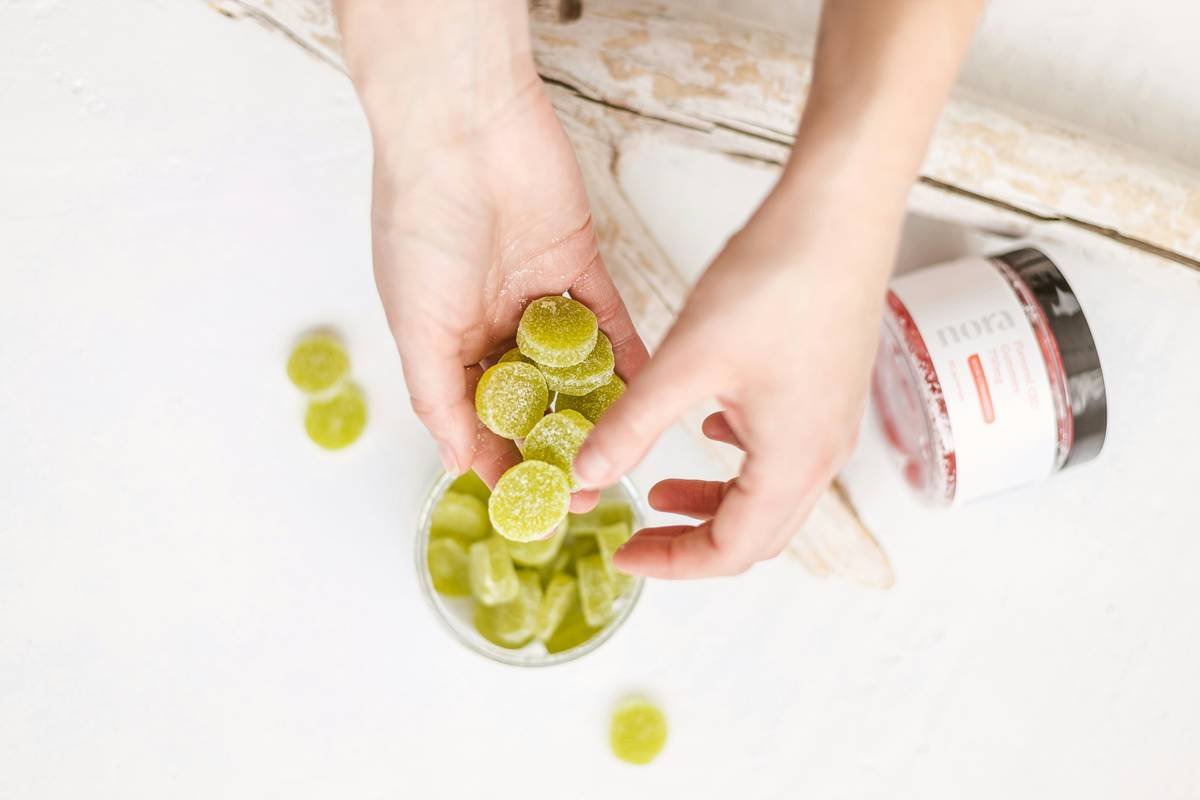
But here’s the kicker: most people don’t know they’re taking a useless product. I once bought a $12 bottle labeled “Gymnema Sylvestre 500mg”—only to realize it contained zero standardization. After four weeks? Zero results. Turns out, raw leaf powder ≠ active gymnemic acids. Always look for “standardized to 25% gymnemic acids” on the label. Anything less is basically herbal confetti.
Step-by-Step: Using Gymnema for Sugar Craving Control
When should I take Gymnema sylvestre for best results?
Optimist You: “Take it 30–60 minutes before meals to blunt post-meal sugar spikes!”
Grumpy You: “Ugh, fine—but only if I can chug my matcha latte right after.”
Timing matters. For craving control, take 200–400 mg of a 25% standardized extract 20 minutes before your biggest trigger meal (often breakfast or dinner). For all-day support, split into two doses (AM and PM).
How long does it take to work?
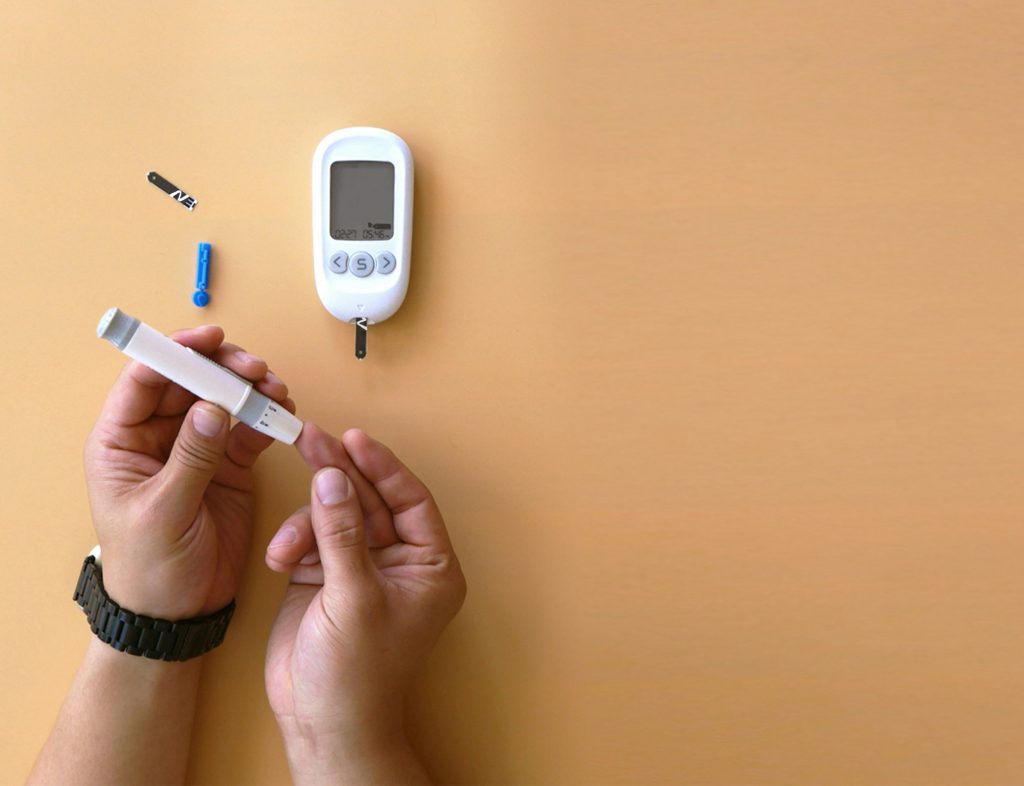
Most users report reduced sweet cravings within 3–7 days. Blood sugar improvements typically show in 4–8 weeks. Track your fasting glucose with a home monitor if possible—data beats guesswork.
Can I take it with other supplements?
Yes—synergistically. Pair with chromium picolinate (enhances insulin sensitivity) and berberine (AMPK activator). But avoid stacking with prescription diabetes drugs unless supervised.
5 Evidence-Based Best Practices for Maximum Effectiveness
- Prioritize standardized extracts: Aim for 200–600 mg/day of Gymnema standardized to ≥25% gymnemic acids. Brands like Sabinsa’s GS4 Plus® are clinically studied.
- Combine with protein + fiber: Eat a high-fiber snack (e.g., almonds + apple) when cravings hit. Gymnema blunts sweetness; fiber slows glucose release.
- Avoid “sugar-free” traps: Artificial sweeteners still activate reward pathways. Gymnema won’t block aspartame—so skip the diet soda.
- Hydrate relentlessly: Dehydration mimics hunger. Keep a water bottle handy—add lemon if you need flavor (Gymnema won’t kill citrus notes).
- Track your triggers: Use a notes app to log cravings. You’ll spot patterns (e.g., 3 p.m. stress = cookie urge)—then deploy Gymnema preemptively.
Real-World Results: Case Studies & Clinical Data
In a 2019 randomized controlled trial published in Journal of Dietary Supplements, 60 prediabetic adults took either 300 mg of Gymnema extract (25% gymnemic acids) or placebo twice daily for 12 weeks. The Gymnema group saw:
- 21% reduction in fasting blood glucose
- 37% drop in sugar cravings (measured via food frequency questionnaires)
- Mean weight loss of 2.1 kg vs. 0.4 kg in placebo
I ran my own unscientific experiment last year. After my “$12 bottle fail,” I switched to a 400 mg standardized dose taken before dinner (my ice cream danger zone). Day 3: I tasted dark chocolate—and it tasted like chalk. Day 10: Skipped dessert voluntarily. By week 6, my evening snack shifted from cookies to Greek yogurt + berries. Not magic—but metabolic retraining with botanical backup.
⚠️ Terrible Tip Alert: “Just pop Gymnema and eat unlimited donuts.” Nope. Gymnema reduces absorption—it doesn’t negate 500 calories of refined carbs. If your diet’s still 60% ultra-processed foods, no herb will save you.
Rant Section: My Pet Peeve?
Supplement brands slapping “natural blood sugar support” on labels with 50 mg of random plant dust. Do better. Transparency isn’t optional—if they won’t disclose extract standardization, walk away. Your health isn’t a marketing test tube.
FAQs About Sugar Blocker Gymnema Sylvestre Control Of
Does Gymnema sylvestre really block sugar?
Yes—but selectively. It blocks intestinal glucose absorption and sweet taste perception. It does NOT block fructose, artificial sweeteners, or fat/carb calories.
Can I take it if I’m not diabetic?
Absolutely. Many use it for weight management, PCOS, or simply to break sugar addiction. Non-diabetics rarely experience hypoglycemia, but start with a low dose (200 mg) to assess tolerance.
Are there side effects?
Generally well-tolerated. Rare reports of mild nausea or headache. Avoid in pregnancy due to limited safety data.
How is it different from white kidney bean extract?
White kidney bean blocks starch digestion (amylase inhibitor); Gymnema targets sugar specifically. They can complement each other—but serve different roles.
Conclusion
Sugar blocker Gymnema sylvestre control of cravings isn’t about willpower—it’s about biochemistry. By silencing sweet signals and slowing glucose uptake, this ancient herb offers a science-backed edge for anyone wrestling with sugar dependence, prediabetes, or weight-loss plateaus. But remember: it’s a tool, not a cure-all. Pair it with whole foods, mindful eating, and quality sleep for lasting change.
Like a Tamagotchi, your metabolic health needs daily attention—not just quick fixes. Feed it well.
Herb on tongue,
Sugar ghosts fade away—
Cravings bow to science.