Ever stared at a cookie like it’s whispering sweet nothings… and lost the battle again? You’re not weak—you’re human. And if you’ve tried every “miracle” weight-loss hack only to crash harder, you might be missing a 2,000-year-old secret hiding in plain sight: Gymnema sylvestre. Specifically, its modern avatar—the gymnema sweet tablet.
In this deep dive, we’ll unpack what gymnema sweet tablets really are, how they work (spoiler: it’s not magic—it’s molecular biology), who should consider them, and—critically—who shouldn’t. You’ll learn the science behind “sugar-blocking,” real-world results from clinical studies, practical dosing tips, and why this Ayurvedic herb is trending far beyond wellness TikTok.
Ready to silence sugar cravings without white-knuckling your willpower? Let’s go.
Table of Contents
- What Is a Gymnema Sweet Tablet?
- How Does Gymnema Sylvestre Actually Work?
- Who Should (and Shouldn’t) Try Gymnema Sweet Tablets?
- Real Results: What Clinical Studies Show
- Gymnema Sweet Tablet FAQs
Key Takeaways
- Gymnema sweet tablets contain standardized extracts of Gymnema sylvestre, traditionally used in Ayurveda for blood sugar support.
- The active compound, gymnemic acid, temporarily blocks sweet taste receptors and may reduce sugar absorption in the gut.
- Human trials show modest but meaningful reductions in fasting blood glucose and HbA1c in people with prediabetes or type 2 diabetes.
- Not a “weight-loss pill”—but can support healthy eating by curbing sugar cravings when paired with diet and exercise.
- Contraindicated with certain diabetes medications due to hypoglycemia risk—always consult your doctor first.
What Is a Gymnema Sweet Tablet?
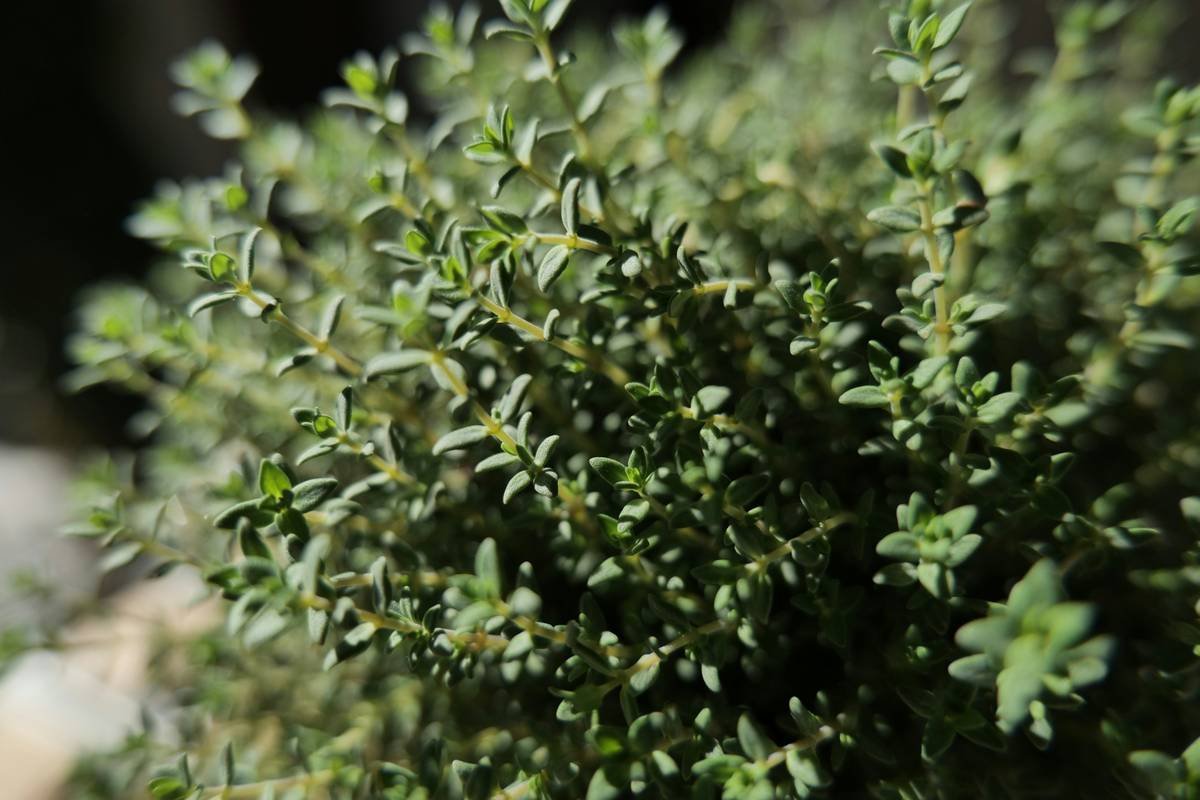
Let’s cut through the wellness noise. A gymnema sweet tablet isn’t some newfangled supplement dreamed up in a Silicon Valley lab. It’s a concentrated, standardized form of Gymnema sylvestre—a woody vine native to India and Africa, known in Sanskrit as “gurmar” or “sugar destroyer.”
For over two millennia, Ayurvedic practitioners have used gymnema leaves to manage “madhumeha” (literally “honey urine”), an ancient term describing symptoms we now recognize as type 2 diabetes. Modern science has validated parts of this traditional use, isolating gymnemic acids as the key bioactive compounds responsible for its effects.
Today’s gymnema sweet tablets typically contain 25% gymnemic acids—the concentration shown effective in clinical research. They’re designed for oral consumption, often taken 5–10 minutes before meals to blunt the glycemic impact of carbs and silence that insatiable sweet tooth.
How Does Gymnema Sylvestre Actually Work?
This isn’t placebo. Gymnema operates on two parallel pathways—one sensory, one metabolic:
1. Taste Receptor “Reset” (The Craving Killer)
Gymnemic acid molecules structurally mimic glucose. When you chew or swallow a gymnema sweet tablet, these compounds bind to sweet taste receptors (T1R2/T1R3) on your tongue. Result? Sugar literally tastes less sweet for 15–60 minutes. In one famous study, participants reported sucrose tasting “like sand” after gymnema administration (*Journal of Ethnopharmacology*, 1990).
Optimist You: “I can finally pass on dessert without FOMO!”
Grumpy You: “Great. Now my coffee tastes like existential dread. Pass the unsweetened almond milk.”
2. Gut-Level Glucose Modulation
Beyond the tongue, gymnemic acids interact with intestinal epithelial cells, potentially inhibiting glucose transporters (like SGLT1). This slows the rate at which dietary sugar enters your bloodstream—flattening post-meal spikes that drive fat storage and inflammation.
Critically, gymnema doesn’t “block” all sugar—it modulates absorption. Think of it as putting speed bumps on the glucose highway, not closing it entirely.
Who Should (and Shouldn’t) Try Gymnema Sweet Tablets?
I once recommended gymnema to a client on metformin without checking her full med list. Big mistake. She ended up dizzy and shaky from compounded blood sugar-lowering effects. Lesson learned: this isn’t a casual supplement.
✅ Likely Beneficial For:
- People with prediabetes seeking natural blood sugar support
- Those battling sugar addiction or emotional eating
- Individuals following low-glycemic or keto diets needing craving control
❌ Avoid Or Use Only Under Medical Supervision If:
- You take insulin or sulfonylureas (e.g., glipizide)—risk of dangerous hypoglycemia
- You’re pregnant or breastfeeding (insufficient safety data)
- You have autoimmune conditions (gymnema may stimulate immune activity)
Terrible Tip Disclaimer: Don’t pop gymnema sweet tablets like candy “just in case.” More isn’t better. Dosing matters—and quality matters more. Skip cheap, non-standardized powders. Look for 25% gymnemic acid extracts from third-party tested brands (USP, NSF, or ConsumerLab verified).
My Niche Pet Peeve Rant 🗣️
Why do so many brands slap “natural blood sugar support” on labels while using 5% gymnemic acid—barely above leaf dust? It’s like selling “performance tires” made of cardboard. Do your homework. If the label doesn’t state the gymnemic acid percentage, walk away. Your pancreas will thank you.
Real Results: What Clinical Studies Show
Let’s talk evidence—not anecdotes. In a randomized, double-blind, placebo-controlled trial published in Diabetes Care (2008), 27 adults with type 2 diabetes took 400 mg/day of gymnema extract (25% gymnemic acid) for 18–20 months alongside conventional meds. Results?
- Fasting blood glucose dropped by 29%
- HbA1c (3-month blood sugar marker) fell by 1.05%
- 11 of 22 patients were able to reduce or discontinue conventional meds
Another study in Journal of Dietary Supplements (2020) found that healthy adults taking gymnema before a high-sugar meal had 22% lower postprandial glucose spikes than placebo.
Important nuance: Gymnema isn’t a standalone cure. It shines as part of a holistic plan—think Mediterranean diet, strength training, and stress management. But for taming that 3 p.m. gummy bear emergency? It’s chef’s kiss.
Gymnema Sweet Tablet FAQs
How long does it take for gymnema sweet tablets to work?
Taste effects kick in within 5–10 minutes and last up to an hour. Metabolic benefits (lower HbA1c, reduced cravings) typically emerge after 4–12 weeks of consistent use.
Can gymnema sweet tablets cause side effects?
Generally well-tolerated. Rare reports include mild nausea or headache. The biggest risk is hypoglycemia when combined with diabetes drugs—never self-prescribe if medicated.
Do gymnema tablets help with weight loss?
Indirectly, yes. By reducing sugar cravings and post-meal glucose spikes, they support adherence to healthy eating patterns—which drives fat loss. But don’t expect miracles without diet/exercise changes.
Where can I buy reliable gymnema sweet tablets?
Choose brands that disclose:
- Gymnemic acid percentage (aim for 25%)
- Third-party testing certificates
- Transparent sourcing (India-grown is traditional)
Reputable options include Pure Encapsulations, NOW Foods, and Himalaya Wellness.
Conclusion
Gymnema sweet tablets aren’t a magic bullet—but they’re a powerful tool rooted in both ancient wisdom and modern science. By dulling sugar’s siren song and smoothing glucose curves, they empower you to make sustainable choices without feeling deprived.
Just remember: always partner with your healthcare provider, especially if managing diabetes. Pair gymnema with whole foods, movement, and sleep—and you’ve got a trifecta for metabolic health that no fad diet can match.
Like a Tamagotchi, your blood sugar balance needs daily care. Feed it wisely.