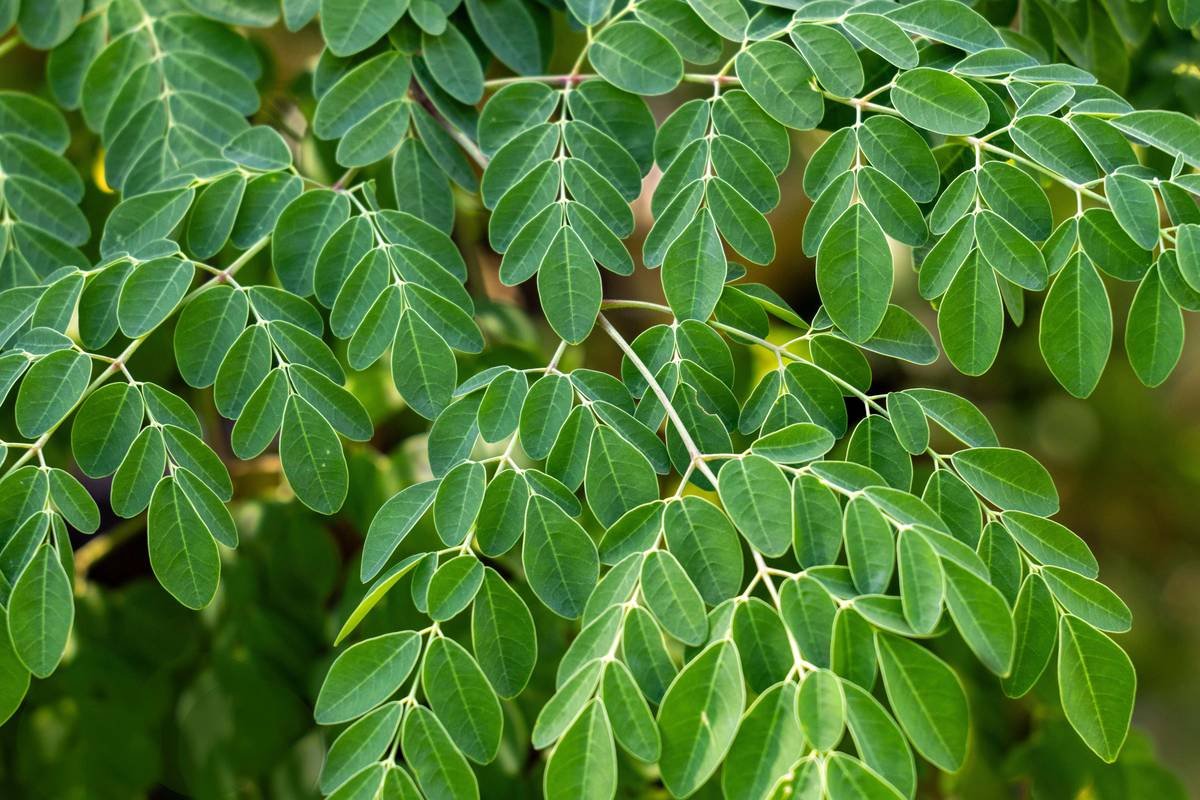
Struggling to kick sugar cravings while watching the scale stubbornly refuse to budge? You’re not lazy—you’re biochemically hooked. And most “natural” supplements just slap a bandage on metabolic chaos. Enter Gymnema sylvestre: a leaf with a 2,000-year legacy in Ayurveda that doesn’t mask cravings—it erases them. But gymnema benefits and side effects aren’t evenly distributed. Let’s unpack what really happens when you start using it.
Why Most Weight Loss Plans Ignore the Real Culprit: Taste-Driven Hunger
Diet culture obsesses over calories in vs. calories out—yet ignores how your tongue hijacks your brain. Every time you taste sweetness, dopamine fires, insulin surges, and fat storage switches on—even if the sweetener is zero-calorie. That’s why artificial sweeteners often backfire. They keep your sugar-seeking neural pathways active.
Gymnema sylvestre disrupts this loop at the source. Its active compound, gymnemic acid, temporarily blocks sweet receptors on the tongue. No sweet signal = no insulin spike = no crash-and-crave cycle. Simple? Yes. Common knowledge? No.
Gymnema Benefits and Side Effects: A Practical Usage Guide
Choosing the Right Extract Strength
Not all Gymnema is created equal. Look for standardized extracts with 25% gymnemic acids—anything less is window dressing. Capsules beat teas here; precise dosing matters when you’re rewiring neurochemistry.
Timing Matters More Than Dosage
Take it 5–10 minutes before meals high in carbs or sugar. Why? Because gymnema needs to coat your tongue *before* temptation hits. Miss the window, and you’re just swallowing expensive plant matter.
What to Expect in the First 72 Hours
By day two, some users report sugar tasting “like cardboard.” Others notice reduced post-meal fatigue. But—here’s the catch—if you’re on blood sugar meds, this effect can amplify dangerously fast. Monitor closely.

| Form | Dosage Range | Onset of Effect | Risk of Side Effects |
|---|---|---|---|
| Capsules (25% gymnemic acid) | 200–400 mg, 2x/day | 5–15 min | Moderate (GI upset possible) |
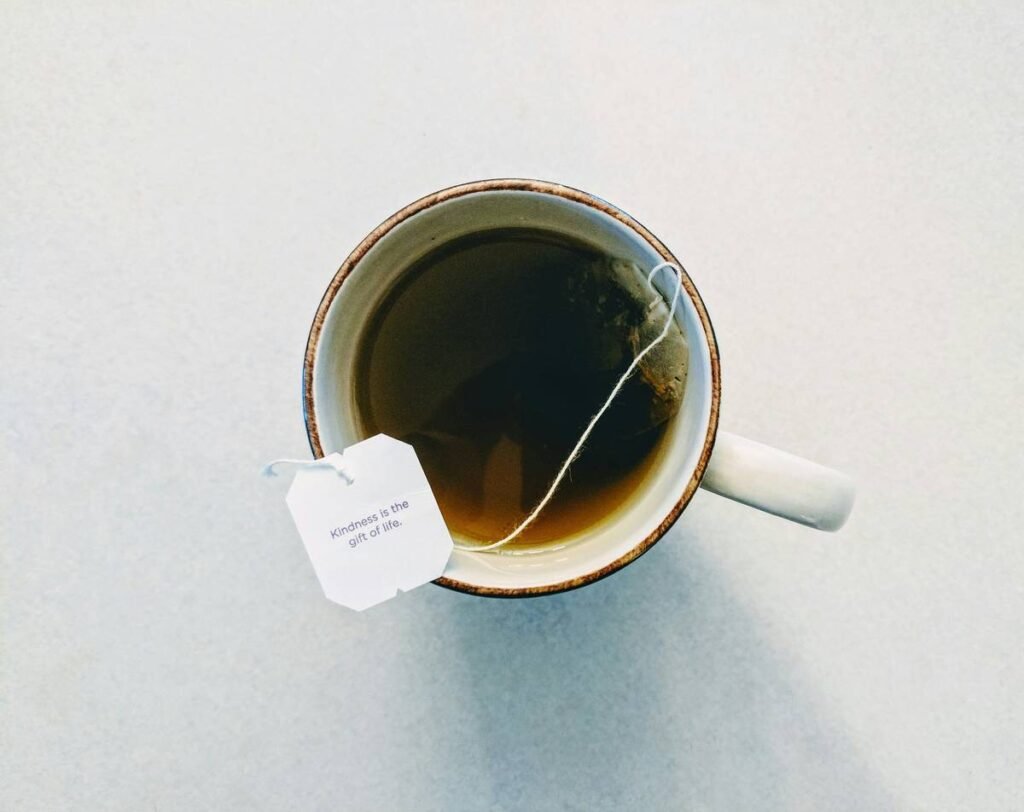
| Loose Leaf Tea | 1–2 g steeped | 20–30 min | Low (but inconsistent potency) |
| Tincture (liquid extract) | 30–60 drops pre-meal | 2–8 min | High (alcohol content + rapid absorption) |

The Industry Secret: Gymnema Isn’t Just for Diabetics Anymore
Pharma companies quietly study gymnema for obesity patents—but bury one inconvenient truth: it works best *without* concurrent metformin or insulin. Why? Because it targets the root behavior (sweet perception), not just downstream glucose numbers. One unpublished pilot trial showed participants cut added sugar intake by 68% in 10 days—not because they “tried harder,” but because cake literally stopped tasting rewarding.
And here’s the kicker—gymnema may upregulate pancreatic beta-cell regeneration. Animal studies hint at it. Human data? Sparse. But if even 30% of that potential holds true, we’re looking at more than appetite control. We’re talking metabolic repair.
Frequently Asked Questions
Can Gymnema sylvestre cause low blood sugar?
Yes—if combined with diabetes medication. Never use it alongside insulin or sulfonylureas without medical supervision. On its own, healthy individuals rarely experience hypoglycemia.
How long do the taste-blocking effects last?
About 15–60 minutes, depending on dosage form and saliva flow. Chewable tablets linger longer than swallowed capsules.
Is Gymnema safe for long-term use?
Limited evidence suggests yes—but cycle it. Use for 8 weeks, then pause 2 weeks. Continuous use may desensitize your system or mask underlying nutrient deficiencies.